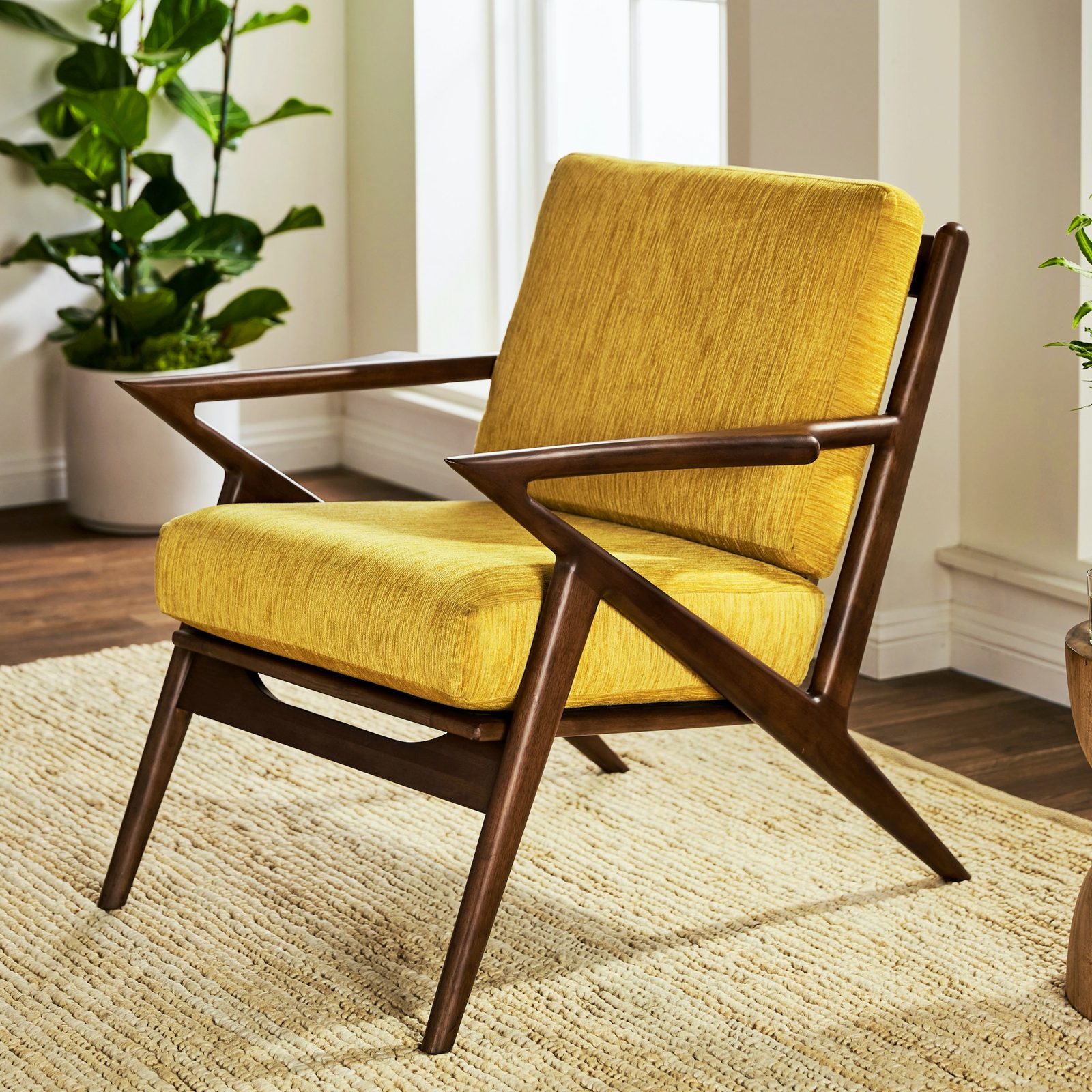
The phrase mid-century is used now to mean almost any chair with a tapered leg and a warm filter. That is a loss, because the furniture that survived from the period survived for a reason, and the reason was rarely decoration. It was a material finding a shape. Six lines came out of those experiments, and each one is still in production because it still solves something. You can read them as a family tree.
The shell
When furniture could be molded in one piece, the seat stopped being an assembly. The shell took the curve of a back, the dip of a seat and the flare of an arm into a single surface, which removed joints, screws and upholstery in one gesture. A shell chair is comfortable because of its geometry rather than its padding, and it is weatherproof because it has nowhere for water to gather. The line continues in recycled plastic today, with the same logic and a better end of life.
The cantilever
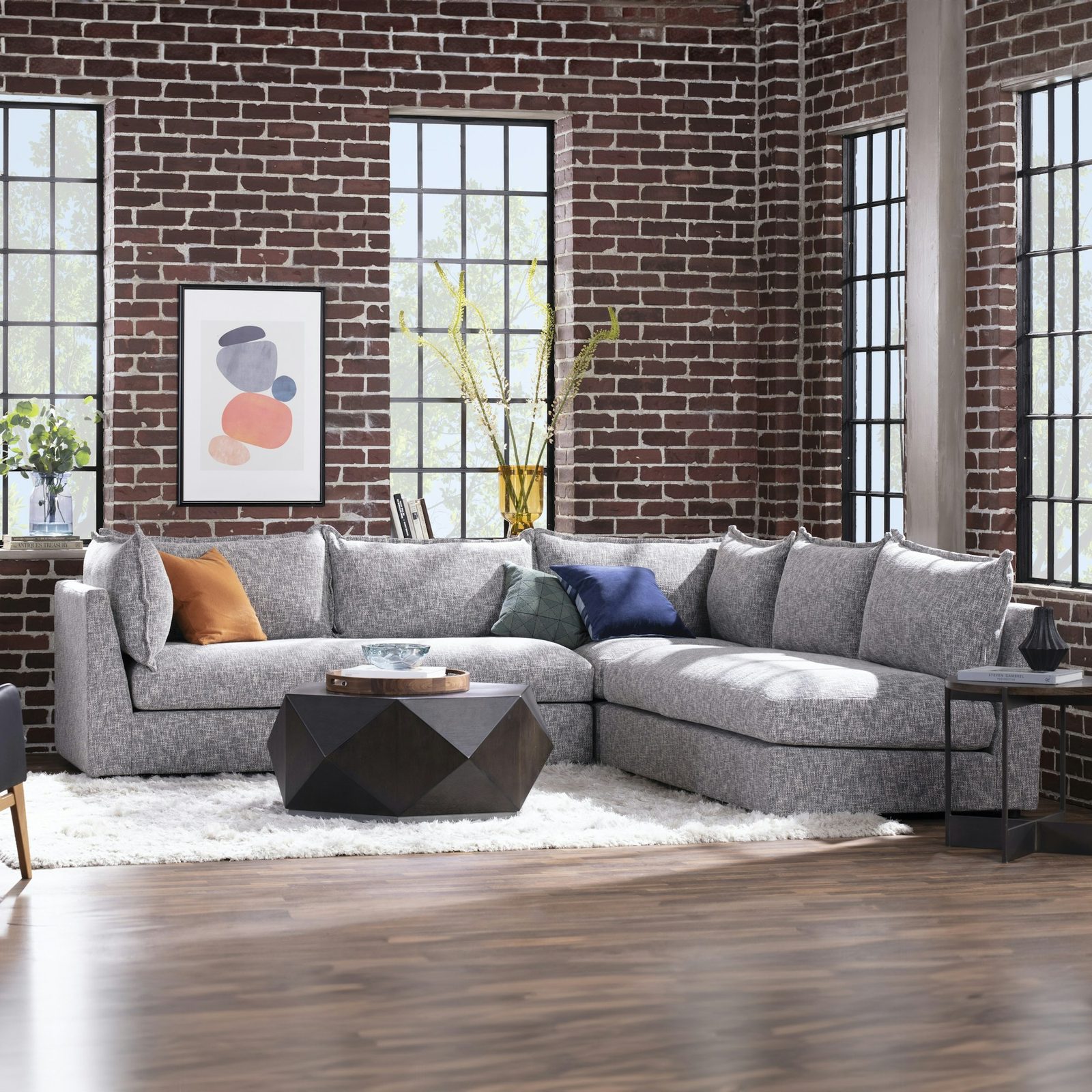
The cantilever line removed the back legs. A single bent frame carries the load forward into the floor, so the chair appears to float on a line rather than stand on four points. It was a structural idea before it was a visual one: steel made the bend possible, and the absence of rear legs made small rooms feel larger. The trade-off is that the frame must carry weight it cannot see, which is why an honest cantilever chair feels heavier than it looks.
The rocker
The rocking chair is older than the mid-century, but the period changed how it worked. The arc became shallow, the frame became a molding, and the movement came from the geometry of the base rather than from a mechanism. A shallow rock is a small permission to settle, not a ride. It is also a line that rewards proportion: an inch too much curve and the chair becomes difficult to leave; an inch too little and it might as well be an armchair.
The stack
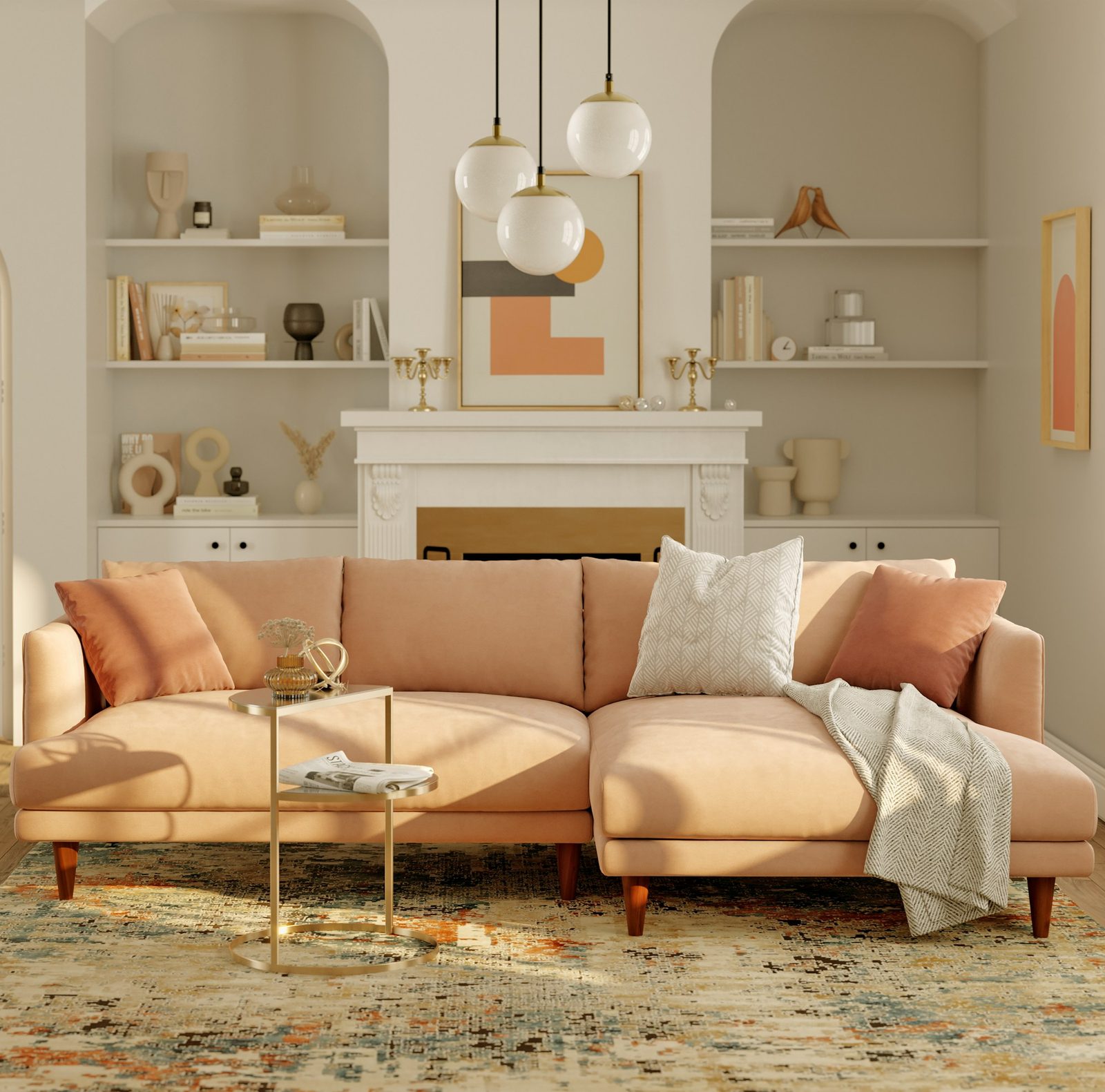
The stack is the most underrated line of the period. A stacking chair or a nesting bowl is furniture that admits storage is part of use. Its design is in the rim: the angle that lets two objects settle into each other, hold without wedging, and release without a twist. Stacking geometry made tableware and seating work in small apartments and in large halls, and it is still the reason a set of four is easier to live with than four separate objects. It is also a deeply practical export idea: volume and weight are decided at the drawing stage.
The cell
The modular cell line turned storage into a structure that could grow. A small repeated frame, bolted or hooked to its neighbors, gives a shelf the geometry to spread and come apart again. The cell was a response to tools as much as to rooms: a small mold or a simple steel frame can be made cheaply, packed flat and assembled anywhere. What we call modularity now was, in the period, a way to make furniture that could be shipped.
The mid-century line was not a style. It was a material finding its shape.
The plank
The plank is the oldest line and the least changed. A long, low section of material becomes a bench, a table edge, a shelf. Mid-century designers bent and molded it, but the logic is the same: length is useful, thickness is expensive, and a hollow section can give one without the other. A plank bench belongs against a wall, beside a table or out in the weather, and it is the piece in a house that gets used for things that were not planned.
Why the lines persist
None of these six lines is nostalgic. Each one is a solution to a material problem that has not gone away: how to make a seat from one piece, how to remove a leg without losing strength, how to move without a mechanism, how to store without a cabinet, how to grow without a new tool, how to span without a slab. That is why they can be made in recycled plastic and powder-coated steel without becoming copies. The line is the idea; the material is the current version of it. When you choose furniture, choose the line first. The color is the last decision, and the easiest to change.