Craft
Made to be lived with.
A supplier is judged by the container that arrives, not by the sample that left. This is how we design, tool, make, check and load the objects we sell.

Design begins with a constraint
Every project starts with a constraint, not a mood. A buyer needs a mug that fits a twelve-inch shelf; a hotel needs a bench that clears a housekeeping cart; a developer needs a mini-split that can be serviced without scaffolding. We draw to those conditions, then test them in cardboard and foam before a tool is cut. For OEM work the constraint comes from the client's range, packaging and price target. For ODM work we develop the object with the buyer and share the drawings, material options and cost model as they are decided. Nothing goes to tooling until the drawing has been reviewed by the people who will make it.
Tools, materials and first articles
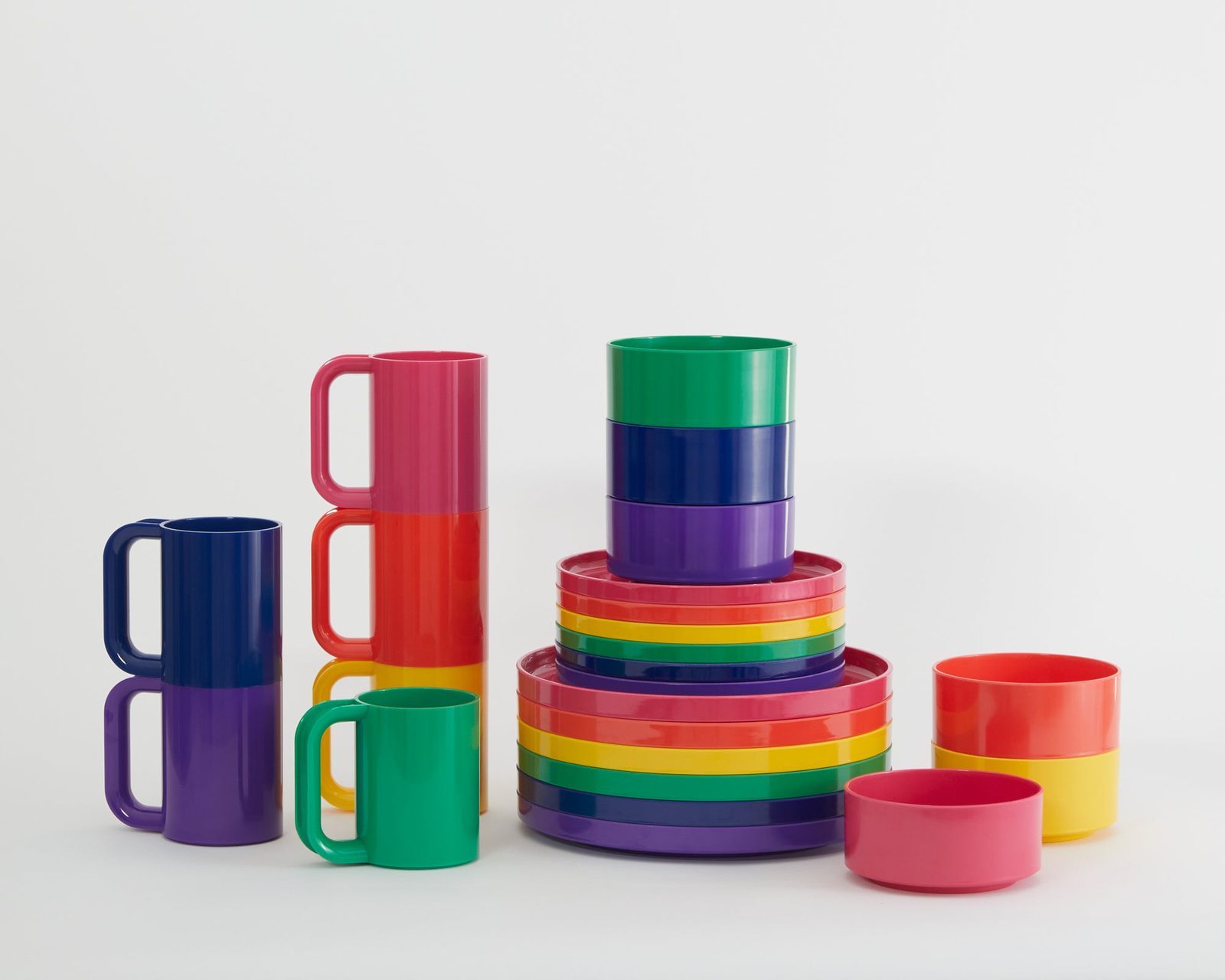
Tools are cut in our own workshop and proven on the press before production. Each new mold gets a first article: a short run measured against the drawing for wall thickness, dimensions, weight and fit, then checked in the color the client has specified. Recycled melamine and recycled plastic behave differently from virgin material, so the process window is set per batch rather than assumed. Steel parts are bent, welded and powder-coated to a sample agreed at approval. First articles are photographed, measured and kept, so a reorder three years later still has a reference.

Making and checking
Quality control happens at the line, not only at the end. Incoming material is checked against its declaration before release; in-process checks follow the critical dimensions; finished goods are inspected before packing. Drop tests are run on cartons, not only on objects. Color is matched to an approved sample under daylight, because a mug that looked right in the workshop can look wrong in a customer's kitchen. Records are kept with the batch, so a question about a container can be answered with a measurement rather than a memory.
Packing, documents and loading
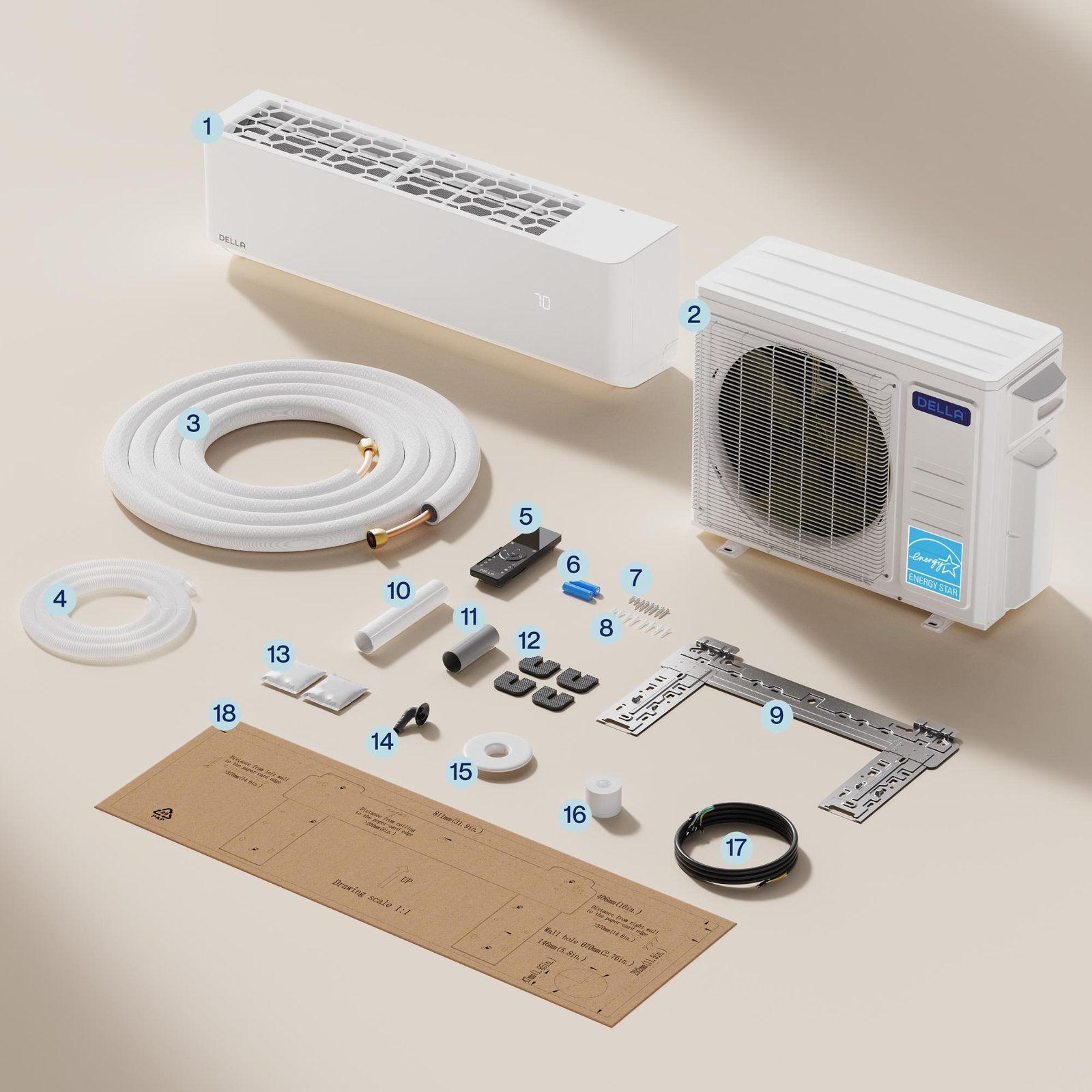
Export damage is usually a packing problem. Cartons are specified per market and per product: corrugated grade, inner protection, pallet pattern and the humidity the container will meet on the water. Samples travel in individual cartons so a buyer can see the retail pack as it will arrive. Documents are prepared alongside production — packing list, invoice, certificate of origin and the product documents agreed with the client. Container loads are planned before the truck arrives, with the weight distributed along the floor and a photograph of the loaded container sent before the doors close.

- Founded
- 2009
- Objects in the current catalog
- 14
- Disciplines
- 3
- Export markets
- 40+
Trade & logistics
For trade, project and press.
We work with importers, retail groups, interior designers and project contractors in North America, Europe and the Middle East. The range can be supplied as it stands, in client colors and packaging, or developed to a brief. Minimum quantities, lead times and pricing are set by the object, the finish and the market, and are confirmed in writing before production begins.
Certification documents are available on request and depend on the model and the destination market. We do not publish marks until the specification is confirmed. Where a buyer requires it, third-party inspection can be arranged before loading and the report shared with the shipment.
- OEM and ODM development from a brief or a drawing
- Line sheets with dimensions, carton quantities and container loads
- Samples for qualified buyers, with retail packaging on request
- Client labels, manuals and packaging artwork managed in production
- Third-party inspection before loading, on request
- Export documentation prepared for the destination market
Trade & project
Work with the house.
Line sheets, samples and project support are shared directly. Tell us what you are specifying.
Trade pricing on request. Minimum order quantities apply.